A Comprehensive Guide to Understanding Industrial Lubricants and Their Benefits

The Importance of Industrial Lubrication
Understanding Friction and Wear
Friction generates heat and surface damage in moving parts across factories and plants. Industrial lubrication grease counters these effects by forming a protective film that separates metal surfaces. Operators apply lubricant directly to bearings and gears to limit abrasion. Without this barrier, equipment experiences accelerated wear that shortens service intervals. Regular greasing prevents metal-to-metal contact and keeps temperatures stable during continuous operation. Mechanical lubricator systems deliver precise amounts of substances at set intervals, reducing the chance of dry running. Effective control of friction also limits vibration that can loosen bolts and seals over time. Plants track wear patterns through oil analysis to adjust lubrication schedules before failures occur.
The Role of Lubricants in Manufacturing
Industrial lubricants support consistent output on assembly lines and production floors. They cool components, remove contaminants, and maintain alignment in high-speed equipment. Manufacturing teams rely on grease lubricants to protect chains, conveyors, and presses that run for multiple shifts each day. Proper lubrication reduces unplanned stops that cut into daily quotas. Lubricants greases also guard against corrosion when machinery idles during maintenance windows. Supervisors integrate lube points into standard operating procedures so every operator knows exact application points. This disciplined approach improves overall equipment effectiveness and supports lean manufacturing goals. In heavy production environments, industrial lubrication grease becomes a core part of reliability programs.
Types of Industrial Lubricants
Industrial greases fall into categories based on base oil type and thickener composition. Mineral-oil greases handle general-purpose tasks in moderate temperatures. Synthetic versions perform in extreme heat or cold where conventional products break down. Biodegradable options meet environmental rules near waterways or soil-sensitive zones. Each type matches specific load, speed, and temperature demands found in different machines. Plants often stock several industrial greases to cover both electric motors and hydraulic presses. Selecting the correct lubricant prevents mixing incompatibilities that cause softening or hardening. Technical data sheets guide choices by listing NLGI grades and dropping points for safe application across varied equipment.
Components of Industrial Greases
Base Oils: The Foundation of Grease
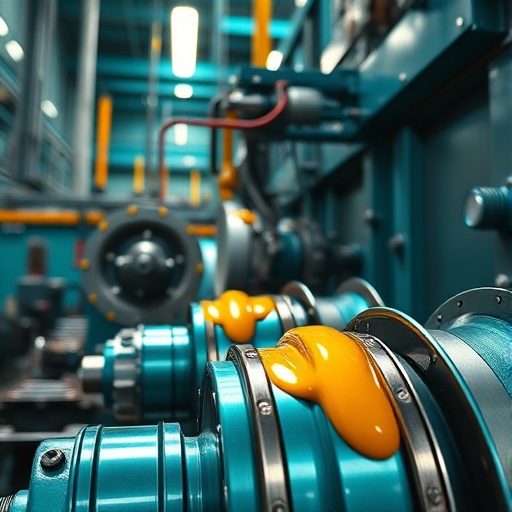
Base oils form the majority of any grease formulation and determine flow characteristics. Paraffinic mineral oils offer good stability for standard industrial lubrication grease applications. Naphthenic stocks provide better solvency for additives when equipment runs under heavy loads. Synthetic base oils such as PAOs or esters extend service life in high-temperature zones near furnaces or ovens. The viscosity of the base oil must match operating speeds so the film remains intact. Contamination from soil or water reduces performance, so sealed systems and clean storage practices matter. Suppliers blend base oils to achieve target pumpability and film strength required by modern manufacturing equipment.
Thickeners: Enhancing Grease Performance
Thickeners give grease its semi-solid structure and control how it stays in place. Lithium complexes dominate because they resist water washout and handle wide temperature swings. Calcium sulfonates excel in wet or corrosive settings common in food plants and marine terminals. Polyurea thickeners suit electric motor bearings where low noise and long life are priorities. The thickener matrix holds the base oil until shear forces release it during operation. Proper selection prevents excessive bleeding that starves bearings of lubricant. Industrial lubrication programs often standardize on one or two thickener families to simplify inventory and avoid cross-contamination during greasing.
Additives: Boosting Lubrication Properties
Additives improve extreme-pressure protection, oxidation resistance, and corrosion inhibition. EP additives form sacrificial layers on gear teeth under shock loads. Antioxidants extend the life of the base oil when temperatures spike during peak production. Rust inhibitors protect surfaces during shutdown periods when condensation forms. Solid additives such as molybdenum disulfide or graphite provide boundary lubrication when the grease film momentarily breaks. Formulators balance additive levels to avoid negative effects on pumpability or compatibility. Regular oil analysis reveals additive depletion so technicians can schedule grease replacement before damage begins.
Applications of Grease Lubricants
Greasing in Heavy Machinery
Heavy machinery such as excavators, crushers, and mills depends on consistent greasing to survive abrasive environments. Centralized lubrication systems pump industrial grease through lines to dozens of points without stopping production. Operators monitor line pressure and adjust output to match duty cycles. In mining and construction, grease must resist water and dirt ingress that accelerates wear on pins and bushings. Mechanical lubricator units mounted on equipment deliver timed shots that keep seals intact. Daily visual checks supplement automated systems to catch blocked fittings early. Proper application extends component life and keeps large capital assets productive.
Lubrication in Automotive Industries
Automotive plants use industrial lubricant on robotic welders, paint lines, and stamping presses. High-speed spindles require low-viscosity synthetic greases to avoid heat buildup. Chassis and body assembly equipment rely on lithium-complex products that resist washdown from coolants. Automated greasing stations apply exact quantities to reduce human error and mess. Maintenance teams document every lubrication event in digital logs that feed predictive maintenance models. Consistent lubricant application prevents quality defects caused by vibration or misalignment. Automotive suppliers track grease consumption to optimize reorder points and reduce waste.
Industrial Grease in Manufacturing Processes
Manufacturing processes from plastics extrusion to metal forming depend on reliable industrial grease. Extruder gearboxes need high-load formulations that protect against shock from pelletizers. Hydraulic systems benefit from greases that seal valves and prevent leaks during high-pressure cycles. Food-grade greases appear on packaging lines where incidental contact with product is possible. Technicians follow color-coded charts to match the correct lubricant to each machine section. Scheduled greasing rounds prevent starvation that leads to scoring on shafts and races. Well-managed lubrication programs become a competitive advantage through higher uptime.
Benefits of Using Industrial Lubricants
Reducing Friction and Wear
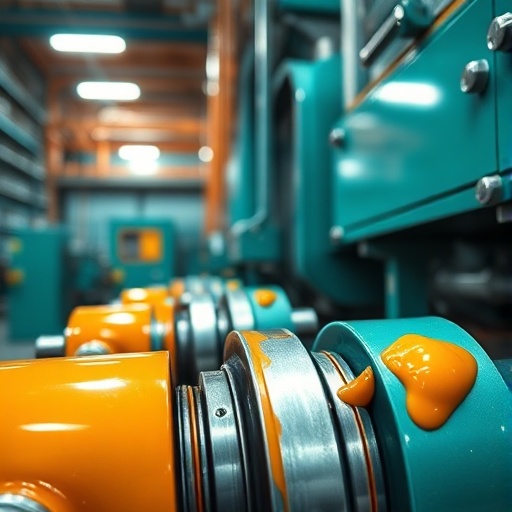
Industrial lubricants create a hydrodynamic or boundary film that separates moving surfaces. This separation cuts energy losses from friction and keeps operating temperatures within design limits. Reduced wear means fewer metal particles circulate in the lubricant, protecting downstream components. Plants that adopt best-practice lubrication see measurable drops in vibration readings on critical assets. Proper grease selection also limits stick-slip in linear guides and slides. Operators notice smoother startup after shutdowns when residual lubricant remains in place. Over time, lower friction translates directly into measurable kilowatt-hour savings on motor drives.
Extending Equipment Life
Consistent use of the right industrial lubrication grease protects bearings, gears, and seals from premature failure. Longer component life delays costly capital replacements and keeps production schedules intact. Synthetic greases often double relubrication intervals compared with mineral products, freeing labor for other tasks. Equipment that receives correct lubrication maintains original tolerances longer, preserving product quality. Reliability engineers calculate life extensions using L10 bearing calculations adjusted for actual lubrication conditions. Documented successes build the business case for upgraded lubricant specifications across entire facilities.
Minimizing Maintenance Costs
Effective lubrication reduces emergency repairs and overtime labor. Fewer breakdowns mean lower spare-parts inventory and less expedited shipping. Predictive oil analysis identifies issues before they become failures, shifting spending from reactive to planned work. Optimized grease quantities prevent over-lubrication that wastes product and attracts contaminants. Plants that track lubrication metrics often report double-digit reductions in maintenance costs within the first year. These savings improve overall equipment effectiveness scores and support continuous-improvement initiatives.
Best Practices for Grease Application
Choosing the Right Grease for Your Needs
Match grease specifications to load, speed, temperature, and environment before purchase. Review OEM recommendations and cross-reference with supplier data sheets. Consider compatibility with existing lubricants to avoid hardening or softening in bearings. Factor in re-lubrication frequency when selecting NLGI grade and base-oil viscosity. Field trials under actual operating conditions confirm performance before full rollout. Purchasing teams consolidate approved products to simplify training and reduce stocking errors. Correct selection forms the foundation of any successful industrial lubrication program.
Proper Techniques for Lubricating Grease Application
Clean fittings before attaching grease guns to prevent dirt entry. Apply grease slowly so air escapes and the lubricant reaches all surfaces. Use the correct volume calculated from bearing size and speed rather than guessing. Mechanical lubricator systems require periodic verification that delivery volumes remain accurate. Avoid mixing incompatible greases during top-ups. Color-coded grease guns and fittings reduce cross-contamination risks. Technicians should purge old grease until fresh material appears at relief points when possible.
Monitoring and Documenting Lubrication Processes
Record every greasing event with date, location, product used, and quantity applied. Digital systems capture this data automatically and flag missed intervals. Oil analysis and vibration trending reveal whether current lubrication practices deliver expected results. Regular audits of lubrication routes uncover missed points or incorrect products. Updated procedures reflect changes in equipment or operating conditions. Thorough documentation supports warranty claims and provides evidence during root-cause investigations. Continuous review drives incremental improvements that compound into major reliability gains.
See Also
- The Evolution of Industrial Greases and Their Impact on Manufacturing Efficiency
- Unlocking the Secrets of Industrial Lubrication Grease for Enhanced Machinery Performance
- How to Combat Friction in Heavy Machinery with Effective Lubricating Greases
- Choosing the Right Grease Lubricant for Your Industrial Applications