Cost Savings Unveiled by Implementing Automatic Grease Systems in Industrial Settings
Understanding Automatic Lubrication Systems
What is an Automatic Lubrication System?
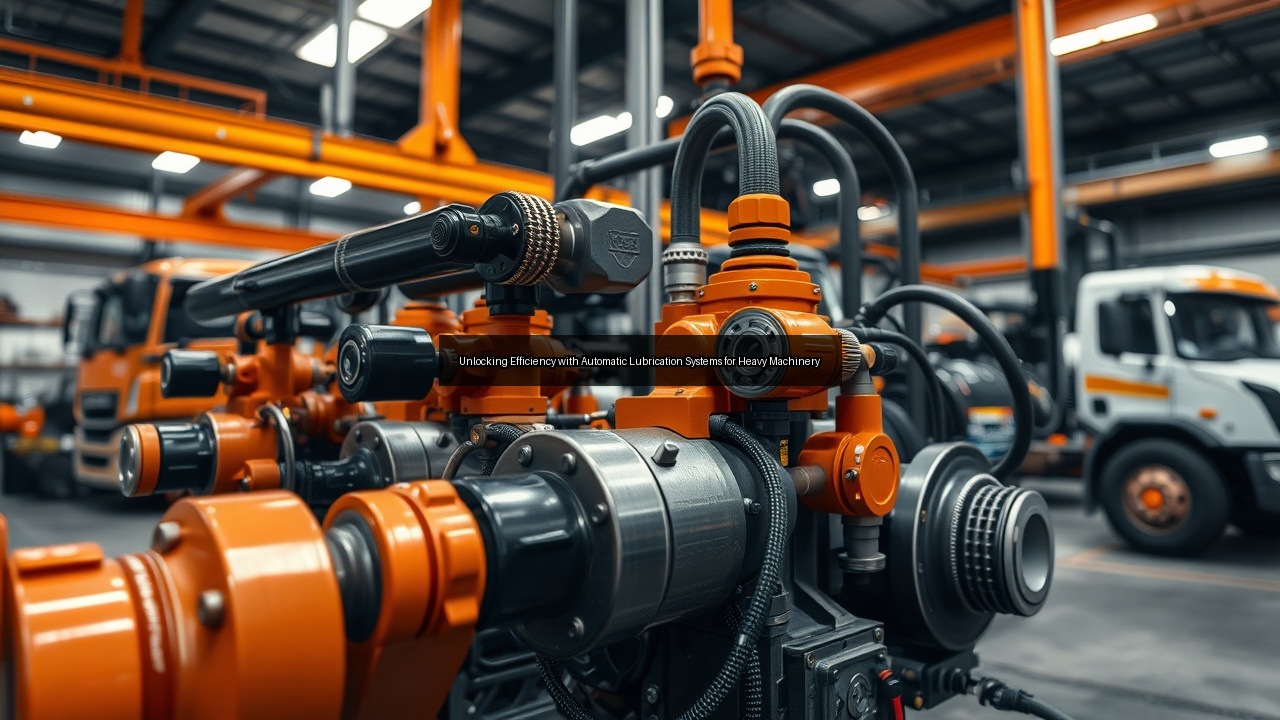
An automatic lubrication system delivers precise amounts of lubricant to moving parts without constant human input. Operators program these setups to release grease or oil at scheduled intervals, which keeps bearings and other components running smoothly. This approach replaces manual greasing routines that often lead to missed spots or over-application. Facilities gain consistent protection against friction and wear through automation that monitors pressure and flow rates. The result shows up in fewer unexpected stops and lower overall lubricant consumption. Many operations now adopt auto lube systems to handle high-volume equipment where daily checks prove impractical. Pumps push lubricant through lines to connectors at each bearing point, ensuring even coverage across the entire machine. Such systems integrate easily with existing compressors and heavy machinery, creating reliable lubrication cycles that match production demands.
Key Components of Automatic Grease Systems
Automatic grease systems rely on several core parts that work together to maintain steady lubrication. A central pump serves as the heart, drawing lubricant from a reservoir and pushing it through distribution lines. Connectors attach at each lubrication point on bearings or gears, releasing measured doses under controlled pressure. Timers or sensors regulate output quantity and frequency, preventing both under-lubrication and excess buildup. Reservoirs hold bulk supplies of grease or oil, while filters keep contaminants out of the flow. Many modern units include condition monitoring features that alert teams to low levels or blockages before problems escalate. These components combine to form robust lube systems that support trucks, trailers, and industrial compressors alike. Proper selection of each element determines how well the entire setup performs over time.
Types of Automatic Lubricators
Several types of automatic lubricators fit different operational needs and equipment scales. Single-point models attach directly to one bearing and release lubricant on a fixed schedule, making them simple for isolated applications. Multi-point units connect multiple bearings through a shared pump and network of lines, suiting larger machines like compressors or heavy presses. Progressive systems divide grease output in sequence, ensuring each point receives its share before the cycle repeats. Spray lubricators apply thin films to chains or open gears where direct contact proves difficult. Some designs incorporate electronic controls that adjust based on temperature or load changes. Operations choose among these options by evaluating their specific machinery layout and maintenance goals. Each type delivers reliable lubrication that reduces reliance on manual rounds while supporting extended equipment uptime.
Cost Benefits of Implementing Automatic Grease Systems
Reduction in Maintenance Costs
Automatic grease systems cut maintenance costs by replacing frequent manual lubrication tasks with programmed delivery. Workers spend less time climbing around equipment or stopping production for grease checks, which frees labor hours for other priorities. Consistent lubricant application prevents the waste that occurs when technicians apply too much by hand. Facilities also see drops in replacement parts expenses because bearings last longer under steady protection. Many plants report that one automatic lubrication system pays for itself within months through these combined savings. The technology reduces the need for emergency repairs and maintenance that arise from dry or contaminated components. Over time, lower lubricant purchases and fewer service calls add up to measurable budget relief across industrial settings.
Minimizing Downtime and Repairs
Automatic lubrication systems minimize downtime and repairs by keeping bearings and moving parts properly protected at all times. Manual greasing often leaves gaps that allow friction to build until failure occurs. Programmed systems eliminate those gaps through regular, measured doses that maintain film strength. When pumps and connectors function correctly, sudden breakdowns drop sharply, allowing production lines to stay active. Teams avoid costly unplanned stops that disrupt schedules and require rushed parts orders. In trucking operations, automatic lube systems on trailers reduce roadside repairs that delay deliveries and inflate expenses. Compressors in continuous service benefit similarly, running longer between service windows because lubrication stays optimal. The net effect appears in higher overall equipment availability and fewer emergency calls.
Impact on Equipment Lifespan
Automatic lubrication systems extend equipment lifespan by delivering the right lubricant quantity and quality without variation. Bearings receive protection against wear from the first day of operation onward, which slows degradation rates dramatically. Consistent pressure and flow prevent both starvation and over-greasing that shorten component life. Facilities notice that motors, gearboxes, and compressors reach or exceed their rated service hours when automatic lubricators handle the routine. This longevity reduces capital spending on early replacements and keeps assets productive for additional cycles. In data centers, where cooling fans and drives must operate without interruption, such reliability proves especially valuable. Operations that install these systems often document measurable increases in mean time between failures across their fleets of trucks and heavy machinery.
Enhancing Reliability and Performance
Improved Bearing Longevity
Automatic lubrication systems improve bearing longevity through precise, timed grease application that manual methods rarely match. Each bearing receives fresh lubricant before contamination or depletion sets in, which maintains smooth rotation under load. Reduced friction translates directly into lower operating temperatures and slower material fatigue. Plants that switch to automated setups frequently record bearings lasting two or three times longer than before. This gain supports higher machine speeds and heavier workloads without added risk. The technology works equally well on trucks and trailers that face constant vibration as on stationary compressors in factories. Reliable bearing performance underpins overall equipment reliability and cuts the frequency of invasive repairs.
Condition Monitoring and Its Benefits
Condition monitoring integrated into automatic lubrication systems provides real-time data on lubricant levels, pressure, and delivery status. Sensors detect issues such as blockages or low reservoirs before they cause damage, allowing proactive intervention. Maintenance teams receive alerts through connected controls rather than discovering problems during breakdowns. This visibility improves planning for scheduled service and reduces the chance of secondary failures in connected components. Facilities gain better insight into actual lubricant consumption rates, which helps refine purchasing and inventory decisions. In heavy machinery applications, such monitoring supports predictive strategies that further lower repair costs. The combination of automation and oversight creates dependable operation across varied industrial environments.
Consistency in Lubrication Quantity and Quality
Automatic lubrication systems deliver consistency in lubrication quantity and quality that manual processes struggle to achieve. Programmed pumps meter exact volumes to each point regardless of operator experience or time pressure. This precision prevents both insufficient coverage that invites wear and excess application that attracts dirt. High-quality lubricant reaches every bearing and gear in the correct formulation, free from the variability of hand application. Operations notice steadier performance metrics and fewer quality issues tied to mechanical faults. The same systems handle diverse lubricants from standard grease to specialized oils suited for extreme conditions. Reliable delivery supports continuous production goals while protecting the investment in machinery across multiple shifts.
Applications in Various Industries
Use in Data Centers
Data centers rely on automatic lubrication systems to keep cooling fans, backup generators, and drive motors operating without interruption. These facilities run equipment around the clock, so any bearing failure can trigger costly thermal events or data loss. Automated pumps supply grease to critical points on a precise schedule, eliminating the need for technicians to enter sensitive areas frequently. Condition monitoring ties into building management platforms, providing alerts that align with strict uptime requirements. The approach reduces maintenance costs while supporting the high reliability standards expected in server environments. Many operators now specify automatic lubrication system designs during new construction to ensure long-term performance of HVAC and power infrastructure.
Automatic Lubrication in Trucks and Trailers
Automatic lubrication in trucks and trailers protects wheel bearings, fifth wheels, and suspension components during long hauls. Road vibration and temperature swings accelerate wear when lubrication falls behind schedule. Onboard pumps and greasers deliver measured doses while the vehicle moves, maintaining protection without stops. Fleets report fewer roadside repairs and extended service intervals for trailers that carry heavy loads. The systems integrate with existing air or electrical supplies, adding minimal complexity. Drivers and maintenance teams appreciate the reduced need for manual greasing at terminals. Overall, these installations improve fleet availability and lower total ownership expenses across logistics operations.
Applications in Compressors and Heavy Machinery
Compressors and heavy machinery benefit from automatic lubrication systems that handle high loads and continuous duty cycles. Central pumps distribute lubricant to multiple bearings and cylinders through robust connector networks. This setup maintains film strength even under variable pressure and speed conditions. Plants see reduced downtime because components stay protected during extended runs. The technology proves especially effective on equipment where manual access proves hazardous or time-consuming. Consistent lubrication also supports higher throughput rates without added risk of overheating or seizure. Operations that adopt these solutions often combine them with condition monitoring to further optimize performance and plan service windows efficiently.
Choosing the Right Automatic Lubrication Solution
Evaluating Brands and Technologies
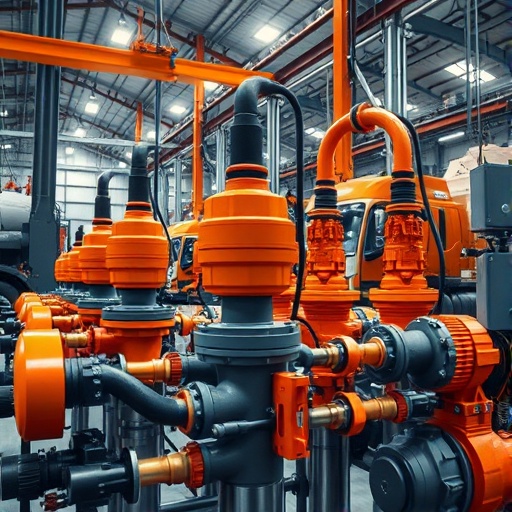
Evaluating brands and technologies requires comparing pump capacities, control features, and compatibility with existing machinery. Some manufacturers specialize in progressive divider valves that suit complex bearing layouts, while others focus on single-line systems for simpler setups. Look for options that support both grease and oil, along with modular designs that allow future expansion. Reviews from similar industries provide practical insight into real-world reliability and service support. Facilities should test pressure ratings and reservoir sizes against their specific duty cycles before committing. Strong brands offer clear documentation and training that speed adoption across maintenance teams. The right choice balances upfront cost with long-term savings in repairs and lubricant use.
Understanding Pump and Greaser Options
Understanding pump and greaser options helps match equipment to operational demands. Electric pumps provide precise control and easy integration with plant automation, while pneumatic models excel in explosive or wet environments. Greasers range from compact single-point units to centralized reservoirs that feed dozens of points. Consider flow rates, maximum pressure, and refill intervals when reviewing models. Some pumps include built-in timers or sensors that adjust output based on runtime or temperature. Matching these features to the application prevents over- or under-lubrication that wastes resources. Operations benefit from reviewing connector types and line materials to ensure durability under vibration and chemical exposure common in industrial settings.
Key Considerations for Installation and Maintenance
Key considerations for installation and maintenance include accessibility of lubrication points, power or air supply availability, and environmental protection for electronic controls. Proper placement of pumps and lines avoids interference with moving parts while allowing easy reservoir refills. Teams should plan for periodic inspection of connectors and filters to maintain flow integrity. Training operators on basic troubleshooting keeps minor issues from escalating. Many facilities schedule annual system audits that verify pressure settings and delivery volumes against original specifications. Thoughtful installation paired with routine checks maximizes the cost savings and reliability gains that automatic lubrication systems deliver. This disciplined approach ensures equipment continues to perform at peak levels over years of service.