The Relationship Between Cleanliness and Lubrication in Power Generation
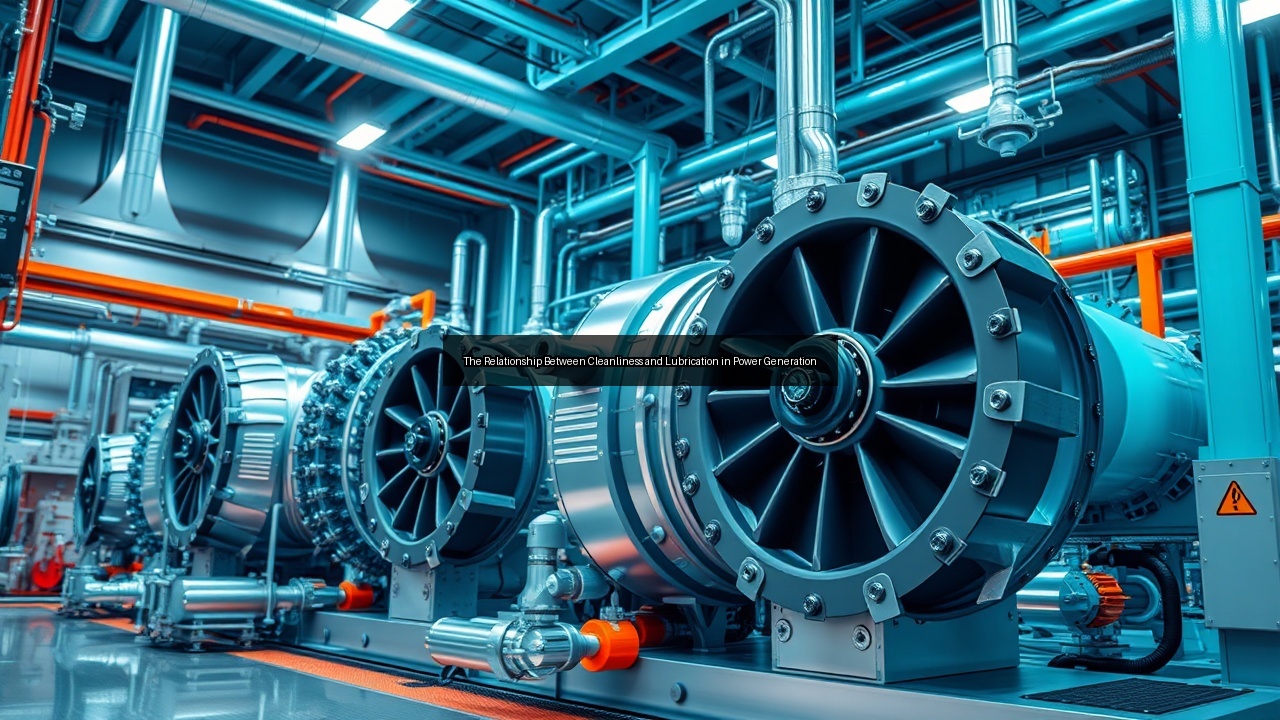
The Importance of Cleanliness in Power Generation Lubrication
Understanding the Role of Cleanliness in Lubrication Systems
Cleanliness plays a crucial role in the efficiency and effectiveness of lubrication systems used in power generation. Power plants, whether hydroelectric, gas, or nuclear, rely on lubricants to minimize friction between moving parts, enhancing overall performance and reliability. Contaminants such as dust, dirt, and moisture can compromise the integrity of lubricants, leading to increased wear and tear on vital components. This degradation impacts not only the lubricants themselves but also the machinery they protect. Consequently, maintaining a clean environment around lubrication systems is essential for optimal operation and longevity of equipment.
Impact of Contaminants on Lubricant Performance
Contaminants adversely affect lubricant performance in several ways. Particles in lubricants can create abrasive wear on engine components and bearings, drastically reducing their lifespan. Water contamination can lead to rust and corrosion, especially in environments prone to moisture, such as hydroelectric and coastal power plants. Additionally, the presence of varnish—a sticky residue formed from thermal degradation—can block oil passages and affect lubricant flow, resulting in inadequate lubrication. Power generation facilities must implement strict cleanliness protocols to mitigate these risks and ensure that lubricants maintain their expected performance under various operating conditions.
Case Studies: Cleanliness and Uptime in Power Plants
Case studies illustrate the significant correlation between cleanliness in lubrication systems and operational uptime. For example, a hydroelectric power plant that adopted rigorous cleanliness standards reported a 30% reduction in unplanned downtime attributed to lubricant failure. Similarly, a gas turbine facility that implemented advanced filtration systems saw a marked improvement in reliability and efficiency. These examples underscore the importance of cleanliness as a proactive measure to enhance uptime and reduce maintenance costs, ultimately contributing to the overall efficiency of power generation operations.
Types of Lubricants in Power Generation
Overview of Lubricants: Oils vs. Greases
Power generation lubrication encompasses various types of lubricants, primarily oils and greases. Oils are typically used in high-speed applications, including turbines and engines, where they provide excellent cooling and lubrication properties. Turbine oils, for instance, facilitate efficient heat dissipation while minimizing friction. In contrast, greases serve in applications where a thicker consistency is necessary to stay in place and provide long-lasting protection. They are often used in bearings and other static components that do not require constant lubrication. Understanding the specific requirements of different applications helps power generation facilities select the appropriate lubricants for optimal performance.
Specialized Lubricants for Different Power Generation Technologies
Each power generation technology demands specialized lubricants tailored to its operational characteristics. For instance, gas turbines require lubricants resistant to thermal breakdown and oxidation due to high operating temperatures. Similarly, hydroelectric power plants benefit from lubricants designed to withstand the unique environmental conditions, such as moisture and varying temperature ranges. Nuclear energy facilities necessitate lubricants that meet stringent safety standards. Utilizing the right lubricants ensures that each power generation technology operates efficiently and reliably, thus maintaining high levels of electricity production.
Condition Monitoring: Ensuring Lubricant Integrity
Condition monitoring serves as a vital tool in maintaining lubricant integrity in power generation systems. Regular analysis of lubricant samples can reveal the presence of contaminants, viscosity changes, and signs of degradation. Techniques such as spectrometric analysis and particle counting enable power plants to identify potential issues before they escalate into costly failures. By integrating condition monitoring into lubrication management strategies, facilities can optimize lubricant usage, extend service life, and ultimately enhance the reliability of their power generation systems.
Challenges in Maintaining Clean Lubrication Systems
Common Sources of Contamination in Power Plants
Power plants face numerous challenges in maintaining clean lubrication systems, with contamination sources being a primary concern. Common contaminants include dust and dirt from the surrounding environment, moisture from humidity or leaks, and particles generated during equipment operation. Additionally, improper handling and storage of lubricants can introduce foreign substances. By identifying and addressing these contamination sources, power generation facilities can implement more effective cleanliness protocols, reducing the likelihood of equipment failure and increasing operational uptime.
Varnish Formation: Causes and Solutions
Varnish formation poses a significant challenge to the integrity of lubricants in power generation. This sticky residue typically arises from thermal degradation, oxidation, and contamination, leading to clogging of oil passages and a decrease in lubrication efficiency. Power plants can combat varnish formation through several strategies. Regular maintenance, including oil changes and filter replacements, helps minimize the buildup of varnish. Moreover, advanced filtration systems and varnish removal technologies can restore lubricant cleanliness and ensure optimal performance. Addressing varnish not only improves reliability but also reduces maintenance costs associated with equipment failures.
Impact of Cleanliness on Maintenance Costs and Reliability
Cleanliness directly influences maintenance costs and the overall reliability of power generation systems. Contaminated lubricants can lead to increased wear on machinery, resulting in more frequent repairs and replacements. In contrast, maintaining clean lubrication systems reduces the likelihood of equipment failures, thereby extending operational life and decreasing downtime. This proactive approach not only enhances reliability but also positively impacts the plant's bottom line. By investing in cleanliness initiatives, power generation facilities can achieve significant cost savings while ensuring efficient electricity production.
Best Practices for Lubrication Management in Power Generation
Inventory Management for Lubricants in Power Plants
Effective inventory management for lubricants plays a crucial role in ensuring that power generation facilities operate smoothly. Keeping track of lubricant supply levels, expiration dates, and usage trends allows maintenance teams to avoid shortages and ensure timely replacements. Implementing a structured inventory management system can streamline procurement processes, enable better budgeting, and enhance overall operational efficiency. By prioritizing lubricant inventory management, power plants can maintain optimal lubrication systems while minimizing downtime and associated costs.
Utilizing Technology for Enhanced Lubrication Practices
Technology has transformed lubrication practices in power generation, providing tools that enhance cleanliness and efficiency. Advanced filtration systems, real-time monitoring sensors, and automated lubrication systems can significantly reduce contamination risks. These technologies allow for precise lubricant application and enable operators to maintain optimal conditions consistently. Moreover, data analytics can help identify patterns and predict potential failures, leading to more informed maintenance decisions. By leveraging technology, power generation facilities can optimize lubrication management, ensuring reliability and efficiency across their operations.
Expertise in Maintenance: Training and Resources for Power Plant Staff
Investing in staff training and resources is essential for maintaining clean lubrication systems in power generation. Proper training equips personnel with the knowledge to handle lubricants safely and maintain cleanliness protocols effectively. Resources such as manuals, online courses, and workshops provide ongoing education on best practices in lubrication management. Engaging experts in lubrication and maintenance can also offer valuable insights and strategies tailored to specific power generation technologies. By fostering a culture of expertise and continuous improvement, power plants can enhance their lubrication practices, ultimately leading to improved efficiency and reduced costs.