The Impact of Quality Ductwork on HVAC System Performance
Understanding Ductwork and Its Role in HVAC Systems
What is Ductwork?
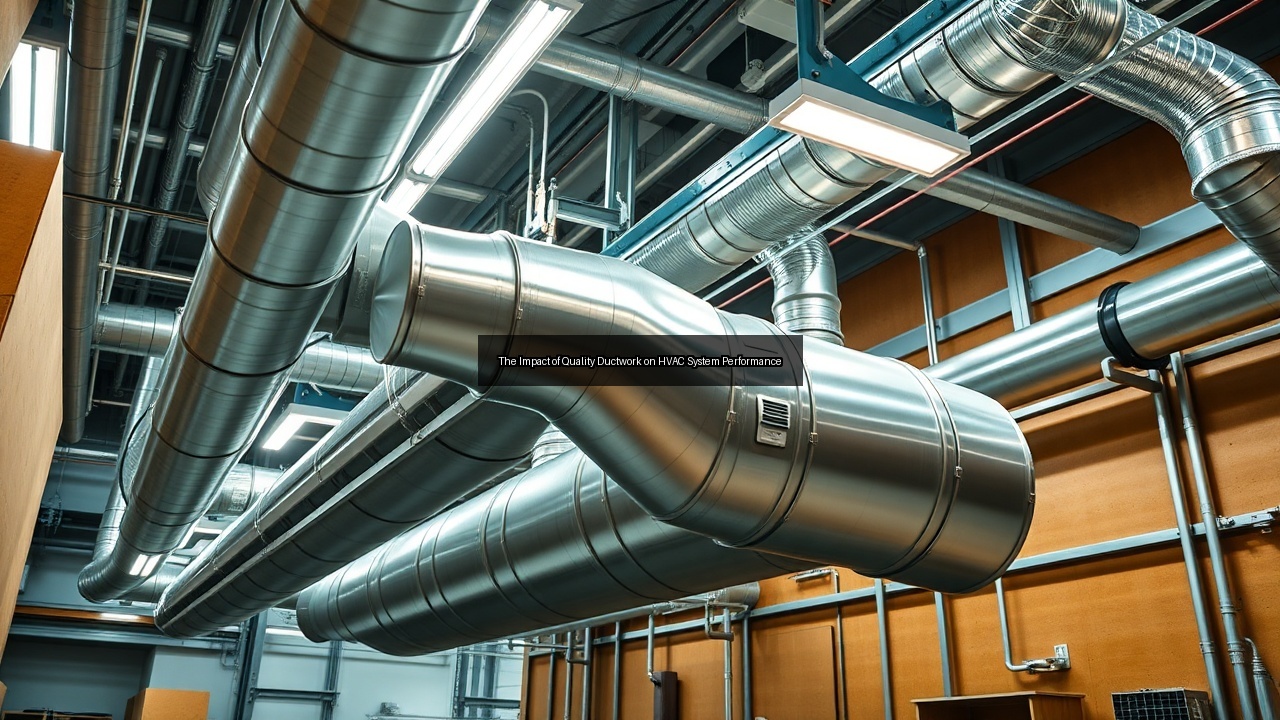
Ductwork forms the network of air ducts that carry conditioned air throughout buildings. Contractors rely on ductwork fabrication to create these channels from sheet metal or other materials. Air ducts connect the central HVAC unit to every room, ensuring even distribution of heating or cooling. Without properly fabricated ducts, HVAC systems lose efficiency quickly. Professionals measure each air duct length during installation to match the building layout exactly. Quality ductwork systems prevent leaks and maintain consistent pressure levels across all hvac ducts.
In practice, ductwork must accommodate both supply and return air paths while integrating with diffusers, grilles, and VAV boxes. Proper sizing follows industry standards such as those published by SMACNA, which specify construction details for various pressure classes ranging from ½ inch to 10 inches water gauge. These guidelines help fabricators determine reinforcement requirements, joint types, and allowable leakage rates so the system performs as intended from day one.
Importance of Ducts in HVAC Performance
Ducts directly control how well an HVAC system delivers comfort. Poorly sealed air ducts force the equipment to work harder, which raises energy bills. High-quality ductwork fabrication eliminates gaps that allow conditioned air to escape into attics or walls. When airflow stays balanced, rooms reach the set temperature faster and stay there longer. HVAC duct performance depends on clean, correctly sized ducts that support steady air movement without resistance. Regular inspections of duct systems reveal issues before they affect overall HVAC operation.
Beyond energy penalties, leaky ducts can introduce contaminants from unconditioned spaces, degrading indoor air quality and triggering comfort complaints. Studies by the U.S. Department of Energy indicate that typical residential duct leakage ranges from 20 to 30 percent of total airflow; sealing these losses can reduce heating and cooling costs by 10 to 30 percent while improving system reliability.
Types of Ductwork Systems
Sheet metal ductwork remains the most common choice for commercial projects because it withstands high pressure. Flexible ducts work well in residential spaces where tight turns are necessary. Fiberglass-lined options reduce noise in duct systems while providing insulation. Rigid metal ducts handle longer runs without sagging. Fabrication services produce custom fittings for each type so airflow stays smooth. HVAC professionals select ductwork materials based on building codes, climate demands, and desired longevity of the entire HVAC setup.
Additional choices include phenolic foam panels for lightweight, thermally efficient installations and fabric ducts used in open-ceiling spaces for even air dispersion. Each material carries distinct fire, smoke, and antimicrobial ratings that must align with project specifications and local authority requirements.
The Fabrication Process of Ductwork

Materials Used in Duct Fabrication
Galvanized steel dominates ductwork fabrication because it resists corrosion and holds shape under pressure. Aluminum offers lighter weight for rooftop installations where load matters. Contractors also use stainless steel in kitchens or labs that require extra durability. Insulation wraps around many air ducts to prevent condensation and heat loss. Fabrication shops stock various gauges so each hvac duct meets specific pressure ratings. Proper material choice during manufacturing extends the life of duct systems significantly.
Coatings such as epoxy or PVC are sometimes applied for corrosive environments, while double-wall construction with perforated inner liners supports acoustic control in theaters and offices. Material thickness is selected according to the duct’s width and the system’s static pressure class to prevent deformation under load.
Step-by-Step Duct Fabrication Process
The process begins with detailed blueprints that list every duct length and fitting. Workers cut flat sheets using computerized plasma tables for precision. They then bend the metal into rectangular or round shapes on brake presses. Seams receive either Pittsburgh locks or welded joints depending on the application. Next, crews add dampers, registers, and transitions before final assembly. Quality ductwork fabrication finishes with labeling each section for quick installation on site. This organized approach reduces errors during HVAC duct placement.
Modern shops increasingly employ coil-line automation that feeds, straightens, notches, and beads metal in a continuous operation, cutting labor time by up to 40 percent. After forming, sections are often fitted with factory-installed gaskets that compress when bolted together, achieving lower leakage rates than field-applied sealants alone.
Quality Control in Duct Manufacturing
Inspectors check every seam and joint for airtightness before ducts leave the shop. They measure dimensions against the original plans to confirm accuracy. Pressure tests verify that fabricated duct systems can handle expected airflow rates without collapsing. Surface finishes receive attention to eliminate sharp edges that could injure installers. Documentation tracks each batch through the fabrication process so traceability remains clear. These steps ensure the final HVAC ductwork performs reliably for years after installation.
Third-party certification programs and in-house leak testing using portable duct leakage testers help verify compliance before shipment. Digital records of each assembly, including material heat numbers and welder qualifications, support warranty claims and future renovations.
Optimizing Airflow Through Quality Ductwork
How Duct Design Affects Airflow
Proper duct design keeps air moving at the right velocity without creating turbulence. Sharp turns or undersized sections increase resistance and reduce overall system capacity. Round ducts produce less friction than rectangular ones of the same area. Fabricators calculate the total effective length of each run to account for fittings that add resistance. Good design places supply and return ducts to create balanced pressure zones throughout the building. When airflow stays optimized, HVAC equipment operates closer to its rated efficiency.
Designers also consider sound attenuation, vibration isolation, and access for cleaning. Using turning vanes in elbows and maintaining minimum straight runs before and after fans reduces pressure drop and noise while extending equipment life.
Calculating Duct Length for Efficiency
Contractors use a duct length calculator during planning to determine exact measurements for every air duct. They add equivalent lengths for elbows, transitions, and dampers so the total run reflects real resistance. Accurate calculations prevent the need for oversized fans that waste energy. Fabrication teams cut each piece to the computed length, which speeds up installation and reduces waste. Proper length planning also helps maintain consistent airflow across multiple branches in complex duct systems. This precision improves comfort while lowering operating costs.
Software that integrates with building information modeling (BIM) allows real-time clash detection and automatic generation of fabrication-ready spool drawings, further minimizing field adjustments and material overruns.
Common Airflow Issues and Solutions
Leaks at joints represent the most frequent problem in older ductwork. Sealing these gaps with mastic or metal tape restores lost airflow quickly. Undersized ducts cause high static pressure that strains HVAC blowers. Replacing them with correctly sized sections solves the issue. Dirty filters or blocked registers restrict air movement and create uneven temperatures. Professional cleaning of hvac ducts combined with regular maintenance keeps airflow steady. Addressing these problems early protects equipment and improves indoor comfort levels.
Additional solutions include installing variable-frequency drives on fans to match actual demand and adding balancing dampers with locking quadrants so airflow can be fine-tuned after occupancy begins.
Benefits of Professional Ductwork Fabrication Services
Choosing the Right Duct Fabrication Services
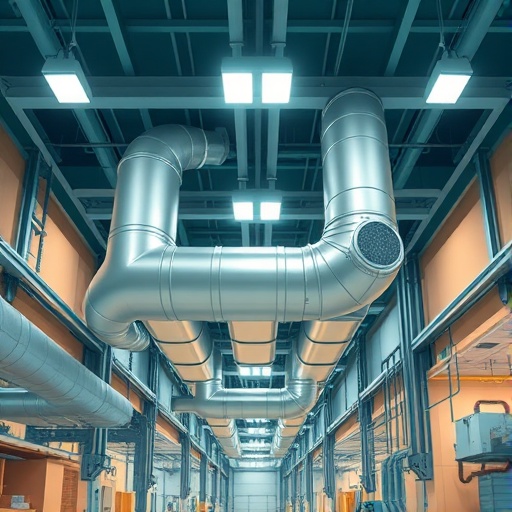
Experienced fabrication shops understand local codes and produce ducts that pass inspections on the first try. They offer custom solutions for unusual layouts that standard suppliers cannot handle. Look for teams that use modern equipment and maintain strict quality standards throughout the fabrication process. References from past HVAC projects help confirm reliability. Clear communication during quoting prevents surprises later. Selecting skilled duct fabrication services ensures the finished duct systems integrate smoothly with the rest of the HVAC installation.
Reputable providers maintain UL-listed fire-damper assemblies, offer rapid turnaround on change orders, and provide as-built documentation that simplifies commissioning and future modifications.
Cost Considerations in Ductwork Fabrication
Material grades and duct complexity drive most of the upfront cost. Thicker gauge steel lasts longer but raises the initial price. Custom fittings add expense compared with standard pieces. However, quality ductwork fabrication reduces long-term energy waste and repair needs. Contractors compare bids that include both fabrication and installation to see true value. Investing in better seals and insulation during manufacturing often pays for itself within a few seasons through lower utility bills.
Life-cycle cost analyses frequently show that premium materials and factory sealing deliver payback periods of three to five years when energy prices and maintenance labor are factored in.
Long-term Benefits of Quality Duct Systems
Well-fabricated ductwork maintains performance for decades when installed correctly. Reduced air leakage lowers the workload on HVAC equipment and extends its service life. Occupants enjoy more consistent temperatures and better indoor air quality. Property owners avoid frequent duct repairs that disrupt operations. Quality duct systems also support future HVAC upgrades because the infrastructure already meets higher efficiency standards. These advantages make professional fabrication a sound investment for any building.
Properly maintained systems can last 30 years or more, supporting building resale value and reducing the environmental footprint associated with frequent replacements.
The Future of Ductwork in HVAC Technology
Innovations in Duct Fabrication
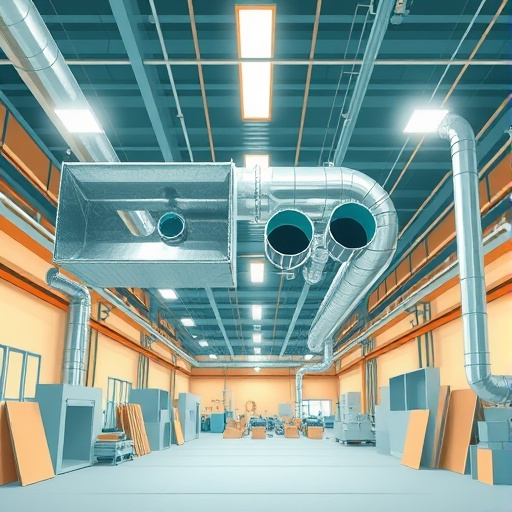
Automated cutting and forming machines now produce complex shapes with minimal waste. Prefabricated modular sections speed up on-site assembly and reduce labor hours. New coatings resist microbial growth inside air ducts. Digital modeling tools allow fabricators to test airflow patterns before cutting any metal. These advances improve both the speed and precision of ductwork fabrication. As technology evolves, HVAC contractors gain more options for high-performance duct systems tailored to specific projects.
Emerging techniques such as robotic welding and additive manufacturing for specialty fittings are further reducing production time while increasing geometric flexibility for challenging architectural spaces.
Sustainable Practices in Duct Manufacturing
Many shops now recycle metal scrap directly into new sheets to lower environmental impact. Low-VOC sealants and insulation reduce emissions during fabrication. Energy-efficient production equipment cuts the carbon footprint of each duct run. Designers specify recycled content in sheet metal ductwork whenever possible. Sustainable manufacturing practices align with green building certifications that reward efficient HVAC ductwork. These efforts support broader goals of reducing energy consumption across commercial and residential properties.
Some fabricators now offer take-back programs that reclaim ductwork at the end of a building’s life, closing the material loop and diverting metal from landfills.
The Impact of Smart HVAC Systems on Ductwork Design
Variable-air-volume systems require ducts sized for fluctuating airflow demands. Sensors placed inside duct systems feed real-time data to building controls. This information helps adjust damper positions for optimal comfort. Smart HVAC setups often need additional access points for maintenance and monitoring. Fabrication teams adapt designs to accommodate these components without disrupting airflow. The result is ductwork that works in harmony with advanced controls to maximize efficiency and occupant satisfaction.
Integration with IoT platforms enables predictive maintenance alerts when pressure drops or leakage rates exceed thresholds, further protecting system performance over time.